
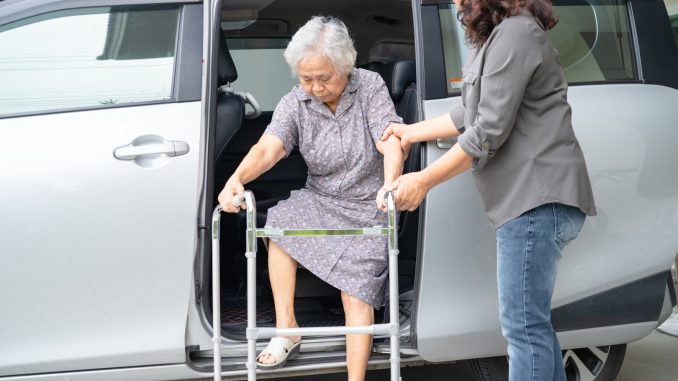
Senior citizens face unique challenges when it comes to transportation. Issues such as reduced mobility, sensory impairments, and safety concerns make it imperative to focus on Accessible transportation for seniors. This goes beyond mere travel; it’s about maintaining independence, accessing vital services, and enhancing quality of life.
For the elderly, transportation needs to be more than just available; it must be accessible, safe, and reliable. This means having Mobility Solutions that accommodate physical limitations and Safety Measures that protect the most vulnerable. Accessible housing for seniors is also a critical aspect, ensuring that living environments are well-connected to necessary services.
Senior Citizens benefit from a variety of Transportation Services. These include Public Transit systems with enhanced accessibility features, Community Programs offering personalized travel assistance, and Shuttle Services designed for ease and comfort. Each of these services plays a crucial role in building a comprehensive Elderly Transportation Network.
Cost can be a barrier to accessible transportation. Transport Subsidies, Elderly Transportation Grants, and Volunteer Senior Transport Programs are essential in making services affordable. These financial aids ensure that budget constraints don’t limit mobility.
Efficient accessible transportation for seniors involves providing reliable, safe, and easy-to-use transit options tailored to their mobility needs, often including features like low-floor vehicles, door-to-door service, and travel assistance programs.
The Needs of Senior Citizens in Transit
Senior citizens often face challenges in mobility due to physical constraints, sensory impairments, or cognitive issues. Ensuring accessible transportation for seniors is not just a service but a necessity to maintain their independence and quality of life. Transportation services tailored for seniors should address these diverse needs with solutions that guarantee safety, comfort, and reliability.
The Role of Accessibility in Senior Independence
Accessible transportation for seniors is a cornerstone in promoting their independence. Having reliable and safe transit options allows seniors to attend medical appointments, engage in community activities, and complete everyday errands. This independence is crucial for their mental health and social well-being, fostering a sense of control and self-reliance.

Key Features of Senior-Friendly Transportation Services
Transportation services for seniors must incorporate several key features to ensure accessibility and safety. This includes:
- Easy Boarding: Vehicles equipped with ramps or lifts for wheelchair access.
- Priority Seating: Designated areas for seniors, especially those with mobility aids.
- Visible Signage: Clear and large print signs for those with visual impairments.
- Assistance Services: Availability of support personnel for those requiring extra help.
Enhancing Comfort Through Specialized Mobility Solutions
Comfort is paramount when addressing senior transportation. Seats with proper support, adjustable for various physical needs, and climate-controlled environments make a significant difference in the travel experience. In addition, quiet and smooth rides are essential to cater to seniors with sensory sensitivities.
Safety Measures and Training for Personnel
Safety measures are non-negotiable. Vehicles should be regularly inspected and maintained. Drivers and support staff should be trained in first aid and emergency response, as well as how to assist seniors with different needs effectively. Implementing strict safety protocols ensures trust and reliability in senior transportation services.
Making Transportation Affordable: Subsidies and Community Programs
Cost should not be a barrier to accessible transportation for seniors. Transport subsidies, community programs, and shuttle services are vital in providing affordable options. Information about these programs should be readily available and easy to understand, ensuring seniors are aware of the resources at their disposal.
Leveraging Technology for Improved Accessibility
Modern technology offers various solutions to enhance the accessibility and efficiency of senior transportation. Real-time tracking, service alerts, and easy-to-use apps can significantly improve the user experience, making travel more manageable and less stressful for seniors.
Transportation Services for Seniors
Public Transit: A Cost-Effective Choice
Accessibility and Mobility Solutions: Public transit is a cornerstone in accessible transportation for seniors. It offers widespread coverage and affordable rates. However, seniors may face challenges like complex schedules and limited seating designed for mobility aids.
Safety Measures and Community Programs: Many cities have implemented safety measures like low-floor buses and real-time tracking apps. Community programs may offer travel training to acquaint seniors with public transit options.
Shuttle Services: Bridging the Gap
Elderly Transport Services and Accessibility: Shuttle services, often tailored for senior-friendly transit, provide a more personalized experience. These services usually offer door-to-door transportation, making them a reliable option for seniors requiring additional assistance.
Transport Subsidies and Travel Assistance: Some shuttle services are part of community-based senior transport programs, potentially offering subsidies or volunteer assistance, enhancing their affordability.
Specialized Senior Transportation: Customized for Needs
Mobility Solutions and Disability Access Transport: These services are specifically designed for seniors, often including wheelchair-friendly transportation and support for mobility aids. They excel in providing elderly accessibility transport, ensuring seniors can travel with dignity and safety.
Elderly Transportation Grants and Senior Citizen Transportation: Funding through grants and subsidies is available in many areas, making these services financially viable for seniors.
Understanding Your Options
- Senior Transportation Options: It’s crucial to understand the varied needs of seniors, from those seeking low-cost senior transit solutions to those requiring transportation for disabled seniors.
- Senior Citizen Bus Passes and Mobility Services for Seniors: Many public transit systems offer discounted or free passes for seniors, making them a cost-effective solution.
Spotlight on Affordable Senior Transportation Services
Accessible transportation is a critical aspect of daily life for senior citizens, ensuring they maintain their independence and access essential services. Various affordable and subsidized transport options are available to cater to their specific needs. Transport subsidies and community programs often offer reduced fares or even free rides for seniors, making mobility both practical and economical.
Transport Subsidies: Many local and federal programs provide transport subsidies to seniors, significantly reducing the cost of travel. These may include discounted rates on public transit or special vouchers for taxi services. Eligibility criteria and application processes vary, so contacting your local transit authority or senior services department is vital.
Community Programs: Numerous non-profit organizations and community groups offer specialized transportation services for the elderly. These might include door-to-door shuttle services or volunteer driver programs, ensuring seniors can travel to appointments, grocery stores, and social events safely.
Maximising Benefits from Affordable Transportation Options
Utilizing affordable senior transportation services not only reduces travel expenses but also enhances the quality of life by improving access to necessary services and social opportunities. Here’s how to access and benefit from these services:
- Identify Local Services: Start by researching local transportation options specifically designed for seniors. This might include public transit with senior discounts, community shuttle services, or subsidized taxi programs.
- Understand Eligibility and Application: Each program has specific eligibility criteria, such as age, income level, or mobility restrictions. Understand these requirements and gather the necessary documentation for applications.
- Plan Your Trips: Once registered with a service, plan your trips ahead of time. Many services require booking, especially for door-to-door pickups.
Safety Measures and Accessibility
When choosing a transportation option, consider the safety measures and accessibility features they offer. Look for services that provide:
- Vehicle Accessibility: Ensure vehicles are equipped with ramps, lifts, or other features necessary for those with mobility aids.
- Trained Staff: Drivers and staff should be trained in assisting seniors and individuals with disabilities.
- Clear Safety Protocols: Check that the service has a robust set of safety protocols, including regular vehicle maintenance and driver background checks.
Innovations in Non-Emergency Elderly Transportation
In the quest for autonomy and quality of life, accessible transportation for seniors plays a pivotal role. With the burgeoning elderly population, the demand for non-emergency transportation options that cater to appointments, errands, and more is on the rise.
Technological Advancements in Senior Mobility Solutions
Recent years have witnessed a significant leap in technology-driven solutions enhancing senior mobility solutions. From GPS-enabled vehicles ensuring the safest and quickest routes to apps that allow easy booking and real-time tracking of rides, technology is making transportation more accessible than ever. Notable is the on-demand ride services tailored for the elderly, featuring additional support like assistance in walking or getting in and out of the vehicle, thus making accessible transportation for seniors a reality.
Service Models Enhancing Elderly Transport Services
Several service models have emerged, focusing on elderly transport services. Subscription-based rides, sliding scale fees, and even volunteer-driven models provide a range of options for seniors. Community programs often collaborate with transportation providers to offer transport subsidies and shuttle services, ensuring affordability and accessibility. Moreover, travel assistance programs are designed to cater to those with specific health conditions, ensuring safety and care during transit.
Accessibility and Safety Measures
Ensuring accessibility doesn’t stop at providing physical access. It also involves training drivers in senior sensitivity and first aid, equipping vehicles with necessary mobility aids for the elderly, and implementing stringent safety protocols. Elderly transportation safety is a priority, with vehicles regularly inspected and maintained, and drivers vetted for their expertise and understanding of elderly needs.
Subsidies and Grants for Senior Transportation
Understanding the financial constraints many seniors face, various transport subsidies and elderly transportation grants are available. These are often provided by government bodies, non-profits, and community organizations, aiming to make accessible transportation for seniors more affordable. Senior transport subsidies are vital in supporting independence among the elderly demographic.
Community and Shuttle Services
Community transport for seniors and senior shuttle services have become integral parts of the transportation ecosystem. These services are often localized and tailored to the community’s needs, offering regular trips to shopping centres, hospitals, and social events. Door-to-door transportation for the elderly ensures that seniors can travel from their accessible housing for seniors to their destination safely and comfortably.
Conclusion
Accessible transportation for seniors is a critical aspect of fostering independence and maintaining a high quality of life. Senior citizens often face mobility challenges that can limit their access to essential services, social activities, and medical care. By prioritizing accessible transportation options like shuttle services, public transit, and mobility solutions, communities can ensure that their elderly population remains active, engaged, and connected.
A range of transportation services cater specifically to senior citizens, offering safety measures and comfort tailored to their needs. These include:
- Public Transit Adjustments: Buses and trains with lower steps, priority seating, and wheelchair accessibility.
- Shuttle Services and Community Programs: Door-to-door shuttle services and community-based transport offer personalized travel assistance.
- Transport Subsidies and Grants: Financial aids like transport subsidies and elderly transportation grants help make travel more a
Safety is paramount when it comes to senior transportation. Vehicles equipped with mobility aids for the elderly, like ramps and lifts, along with trained personnel, ensure a secure travel experience. Elderly transport safety measures and disability access are continually improving, reflecting the growing need for inclusive transport options.
Community transport for seniors and accessible transport strategies are constantly evolving. From senior-friendly transit options like elderly-friendly cabs to innovations in senior transport policies, the focus is on creating a seamless, comfortable travel experience. Volunteer senior transport programs and non-emergency elderly transportation services are examples of how community involvement can enhance accessibility.
FAQs
How can seniors access affordable transportation?
Seniors can access affordable transportation through various programs such as discounted public transit fares, community senior transport services, or rideshare programs. Many local governments and non-profit organizations offer specialized transportation services with reduced rates or donations for the elderly.
What are the safest transportation options for seniors?
The safest transportation options for seniors typically include paratransit services, senior-specific shuttle services, and taxis or rideshare options with reputable companies. These services often provide additional assistance and cater to the unique needs of seniors, ensuring safer travel.
Are there special transit services for disabled seniors?
Yes, there are special transit services for disabled seniors, known as paratransit services. These are door-to-door transportation services provided under the Americans with Disabilities Act (ADA) and are usually operated by public transit agencies or specialized organizations.
How do community transport programs benefit seniors?
Community transport programs benefit seniors by offering affordable, reliable, and accessible transportation options. These programs reduce isolation, increase access to medical care and social services, and promote independence among seniors.
Can seniors get discounts on public transport?
Yes, seniors can get discounts on public transport. Most transit authorities offer reduced fares for senior citizens, typically requiring proof of age and residency. These discounts may apply to buses, trains, subways, and ferries.
What is the best transportation for seniors with mobility issues?
The best transportation for seniors with mobility issues is often door-to-door paratransit services or specialized shuttle services. These options provide vehicles equipped for wheelchairs and walkers, and drivers trained to assist with boarding and alighting.
How are cities improving transportation for seniors?
Cities are improving transportation for seniors by implementing age-friendly transit options, increasing the availability of paratransit services, enhancing pedestrian infrastructure, and integrating technology for easier access to transportation information and services.
Are there any volunteer-driven transportation services for seniors?
Yes, there are volunteer-driven transportation services for seniors, often organized by community centres, religious organizations, or senior associations. These services rely on volunteers to provide personal, door-to-door rides for errands, appointments, and social outings.
What technology is making transportation safer for seniors?
Technologies such as GPS tracking, advanced booking systems, emergency response features, and vehicle modifications are making transportation safer for seniors. These innovations help monitor routes, ensure timely pick-ups, and accommodate special mobility needs.
How do seniors qualify for transportation assistance?
Seniors typically qualify for transportation assistance by meeting age requirements, demonstrating a need for special transportation due to mobility or health issues, and sometimes meeting income criteria. Eligibility varies by program and often requires an application or registration with local transportation or social service providers.


