
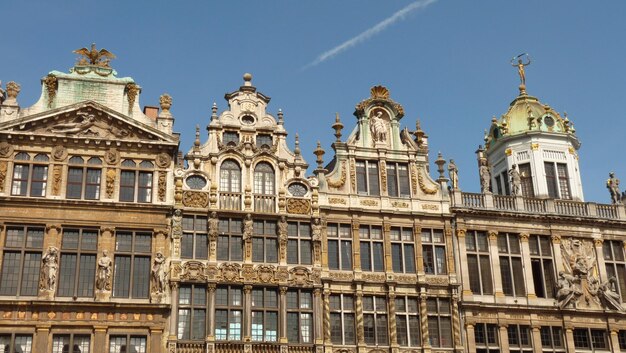
The Historic Vlaeykensgang: A Medieval Marvel
Tucked away between Antwerp’s bustling streets lies the charming Vlaeykensgang, a medieval alley dating back to 1591. This narrow passageway, barely noticeable to passersby, served as home to shoemakers and their families during the Middle Ages. The cobblestoned pathway winds through ancient buildings, offering glimpses into the city’s rich past through its preserved architecture and timeworn doorways.
Architectural Brilliance of the Hidden Alley
The alley’s distinctive character emerges through its weather-worn bricks, Gothic windows, and centuries-old wooden beams. Each building tells its own story through architectural elements spanning various periods, from medieval stonework to 18th-century modifications. Small courtyards punctuate the passage, creating intimate spaces where residents once gathered to exchange news and goods.
Discovering De Ruien: Beneath Antwerp’s Streets
The De Ruien network represents an extraordinary feat of medieval engineering. These underground waterways, dating from the 11th century, once served as Antwerp’s primary drainage system. Today, visitors can explore this subterranean maze through guided tours, revealing centuries of urban development layers beneath their feet.
Archaeological Treasures Underground
Recent excavations in De Ruien have unearthed remarkable finds, including medieval pottery, ancient tools, and architectural fragments. These discoveries provide crucial insights into Antwerp’s daily life throughout different historical periods. Each artefact adds another piece to the puzzle of understanding how the city evolved from a small settlement to a major European port.
Secret Gardens: Urban Oases
Behind Antwerp’s grand facades lie hidden courtyards, each with unique characteristics. These private gardens range from minimalist modern designs to traditional Belgian layouts featuring centuries-old trees and carefully maintained flowerbeds. Some courtyards belong to religious institutions, while others are part of private residences or cultural organisations.
Cultural Hideaways and Alternative Museums
Beyond the famous Royal Museum of Fine Arts, Antwerp harbours numerous smaller museums and galleries. The Plantin-Moretus Museum, housed in a 16th-century printing works, showcases early printing techniques and rare manuscripts. Small contemporary art spaces populate former warehouses and converted industrial buildings, presenting cutting-edge exhibitions away from mainstream venues.
Local Shops and Hidden Eateries
Traditional Belgian shops maintain their presence in quiet side streets, selling speciality items from handmade chocolates to bespoke leather goods. Family-run restaurants serve authentic Flemish cuisine in centuries-old buildings, their presence known mainly through word-of-mouth recommendations from locals.
Urban Exploration and Discovery
These hidden locations remain relatively unknown due to their discrete locations and minimal publicity. Local residents often prefer maintaining these spots’ low profiles, ensuring their authenticity and preventing overcrowding. Small guided groups led by knowledgeable locals offer the best way to discover these secretive spaces while respecting their historical significance.
Alternative Tours and Local Characters
Specialised tours focus on specific aspects of hidden Antwerp, from architectural heritage walks to food-focused explorations. Long-term residents share personal stories about their neighbourhoods, adding depth to visitors’ understanding of local culture and traditions.
Seasonal Hidden Attractions
Different seasons reveal varying aspects of hidden Antwerp. Spring brings private garden openings, while winter introduces temporary exhibitions in unusual locations. Autumn creates perfect conditions for exploring underground spaces, and summer enables rooftop access to certain historical buildings.
Photography and Documentation
Capturing these hidden spaces requires patience and respect for private property. Morning light offers optimal conditions for photographing narrow alleys and courtyards, while evening hours suit atmospheric shots of illuminated passages. Photographers should always obtain necessary permissions and avoid disturbing residents.
Conservation Challenges
Maintaining these historical spaces presents significant challenges. Weather damage, structural issues, and modern development pressures threaten some locations. Conservation groups work tirelessly to protect these sites while adapting them to contemporary needs without compromising their historical integrity.
Community Involvement
Local communities play crucial roles in preserving hidden Antwerp. Residents participate in restoration projects, share historical knowledge, and maintain traditional practices. Their involvement ensures these spaces retain their authentic character while remaining relevant to modern city life.
Future Preservation
Current restoration projects focus on balancing preservation with accessibility. Careful planning ensures sustainable tourism without overwhelming these sensitive locations. New technologies assist in documenting and maintaining historical structures while making them safer for visitors.
These lesser-known aspects of Antwerp create a complex tapestry of history, culture, and community. Through careful preservation and thoughtful sharing, these hidden treasures continue enriching both residents’ lives and visitors’ experiences, ensuring their survival for future generations.


