
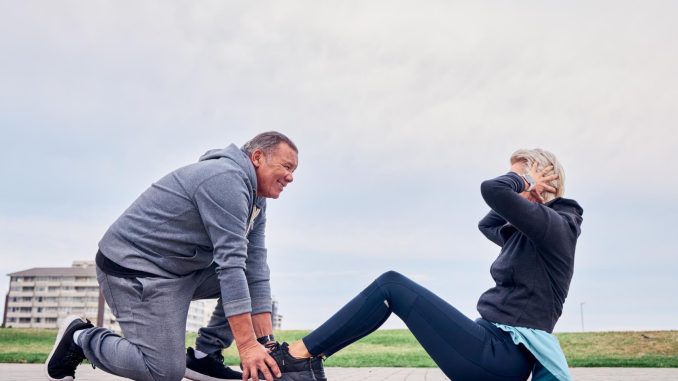
Estimated reading time: 8 minutes
Key Takeaways
- Regular exercise boosts seniors’ physical health, mental well-being, and social engagement.
- Strength, balance, flexibility, and mobility training each address specific ageing challenges.
- Professional guidance from certified trainers helps avoid injury and maximise results.
- Group classes foster community, reducing loneliness and promoting independence.
- Senior fitness programmes are widely available, affordable, and adaptable for all ability levels.
Table of Contents
Health Benefits of Senior Fitness
Engaging in consistent physical activity delivers tangible rewards: a 35% boost in mobility, a 53% drop in depression, and nearly half as many falls compared with inactive peers. These numbers spotlight the power of movement to counter chronic disease risk and preserve quality of life.
“Exercise is the closest thing we have to a fountain of youth.” – National Institute on Aging
Strength Training for Seniors
- Mitigates age-related muscle loss
- Combats osteoporosis by increasing bone density
- Improves overall stability and confidence
A certified senior fitness trainer can safely introduce body-weight moves, resistance bands, or light dumbbells, adjusting intensity as strength improves.
Balance Exercises for Seniors
Heel-to-toe walking, single-leg stands, and Tai Chi deliver a 35% mobility gain and dramatic fall reduction. Practised daily, these simple drills build the steady footing needed for independent living.
Flexibility Programmes
- Gentle stretching routines maintain joint health
- Chair yoga supports circulation and relaxation
- Low-impact classes ease stiffness and pain
Keeping muscles supple helps seniors perform daily tasks with less discomfort and greater ease.
Mobility Training
Walking drills, functional movements, and range-of-motion exercises focus on practical skills—like getting in and out of chairs or reaching overhead—making routine activities safer and simpler.
Variety of Exercise Options
From low-impact aqua aerobics to upbeat dance classes, choice keeps workouts fun and sustainable.
- Senior fitness classes provide structured routines
- Group sessions cultivate friendship and accountability
- Chair yoga offers an accessible entry point for all abilities
Professional Support & Personalised Training
Working with a certified senior fitness trainer ensures exercises match individual health profiles. Personal training sessions track progress, fine-tune routines, and celebrate milestones—making the journey motivating and safe.
Comprehensive Wellness Programmes
Many senior residences pair physical activity with nutritional guidance, mental wellness workshops, and social events, creating a holistic approach that supports healthy ageing on every level.
Functional Fitness
- Chair rises mimic standing from a sofa
- Carrying light bags prepares for grocery trips
- Overhead reaches replicate grabbing items from shelves
These movements preserve independence and bolster confidence in day-to-day tasks.
Impact on Social Connection
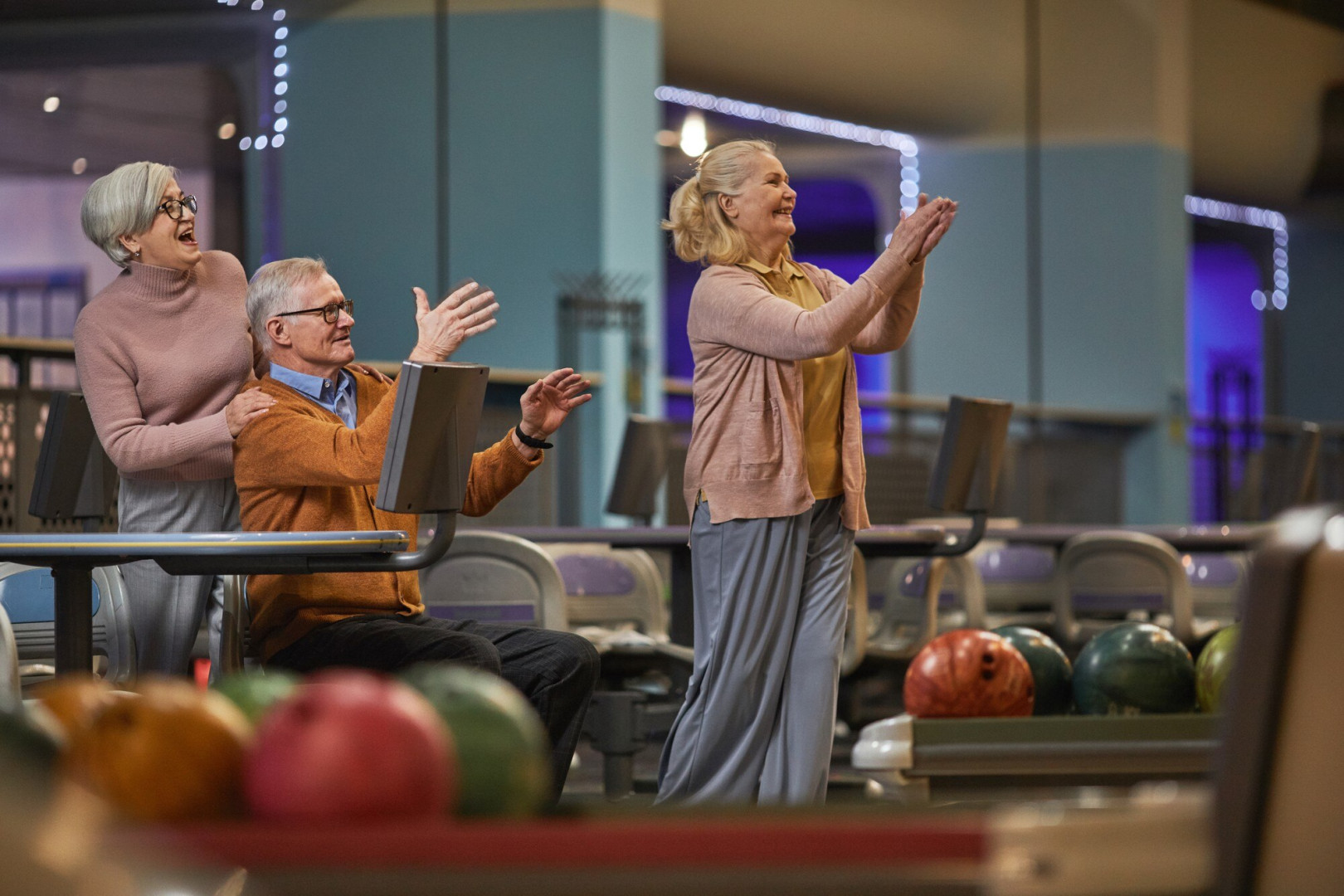
Regular group exercise reduces depression, delays cognitive decline, and strengthens community ties. Simply put, sweating together keeps bodies and friendships alive.
Conclusion & Call to Action
Senior fitness programmes empower older adults to stay strong, independent, and socially connected. Explore local classes or consult a certified trainer today—because it’s never too late to feel great.
For more insights, visit LifeSteps Senior Fitness Programs.
FAQs
What type of exercise is best for seniors just starting out?
Low-impact activities such as walking, chair yoga, or water aerobics are ideal for beginners, easing joints into motion while building confidence.
How often should older adults work out?
Aim for at least 150 minutes of moderate activity each week, split into manageable sessions—e.g., 30 minutes five days a week—plus two strength-training days.
Is strength training safe for people over 70?
Yes, when supervised by a qualified professional. Light weights or resistance bands gradually build muscle without overstressing joints.
Can exercise really improve mental health in seniors?
Absolutely. Physical activity stimulates endorphin release, lowering stress and depression, and group classes add social interaction that lifts mood.
What if mobility is limited?
Seated workouts, gentle stretching, and water-based routines provide safe options. A personalised plan from a certified trainer ensures limitations are respected.
