
The unexpected turn of events that led to this documentary began when a respected filmmaker set out to chronicle the artistic collaboration between Dr Jordan Peterson and a talented Kwakwaka’wakw carver. However, the narrative took a dramatic shift when Peterson became embroiled in a heated debate surrounding Bill C-16, propelling him into international headlines and reshaping the documentary’s focus entirely.
The Evolution of a Story
What started as an artistic exploration morphed into something far more complex when Peterson, a clinical psychologist and professor at the University of Toronto, voiced his opposition to Bill C-16. The legislation proposed adding gender identity and expression as protected grounds to the Canadian Human Rights Act. The filmmaker, recognising the historical significance of this moment, chose to follow this emerging story rather than stick to the original concept.
Understanding Bill C-16 and Peterson’s Position
The proposed legislation aimed to protect transgender individuals from discrimination, but Peterson argued it could potentially restrict freedom of speech, particularly regarding pronoun usage. His primary concern centred on the possibility of compelled speech – the notion that individuals might face legal consequences for not using preferred gender pronouns. This stance sparked fierce debates across Canadian university campuses and beyond.
Documenting Divided Opinion
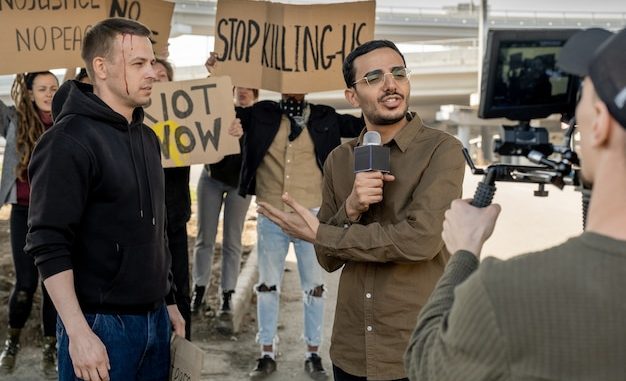
The camera captured raw, unfiltered moments as students gathered at the University of Toronto, both supporting and opposing Peterson’s views. These gatherings often became heated, highlighting the deep divisions within academic communities. The documentary crew maintained their distance while recording these spontaneous exchanges, allowing authentic moments to unfold naturally.
Ethical Considerations Behind the Lens
Creating this documentary required careful consideration of various ethical implications. The production team grappled with questions about responsible representation and the potential impact on vulnerable communities. They sought to present multiple viewpoints whilst remaining sensitive to the genuine concerns of transgender individuals affected by these debates.
The Academic Ripple Effect
Universities across North America began examining their own policies regarding freedom of expression and gender identity rights. The documentary captured these discussions, showing how Peterson’s stance influenced broader conversations about academic freedom and institutional responsibilities.
Legal Perspectives and Expert Analysis
The documentary features interviews with constitutional lawyers, human rights advocates, and gender studies scholars. These experts provide context about Canadian law, human rights legislation, and the balance between protecting vulnerable groups while preserving freedom of expression.
Voices from Both Sides
Supporters of Bill C-16 shared their experiences of discrimination and explained why they believed the legislation was necessary. Free speech advocates discussed their concerns about potential overreach. The documentary presents these perspectives without taking sides, allowing viewers to engage with the complexity of the issues at hand.
Behind the Camera: Maintaining Balance
The production team developed specific techniques to ensure fair representation. They implemented strict protocols for interview questions, maintained consistent filming approaches for all subjects, and employed thorough fact-checking procedures throughout post-production.
Creating Space for Dialogue
Rather than pushing particular conclusions, the documentary aims to create space for meaningful discourse. It examines how society might better handle contentious debates while respecting different viewpoints and protecting fundamental rights.
Looking Forward
The documentary raises questions about how democratic societies can balance competing rights and interests. It challenges viewers to consider their own positions on these issues while highlighting the importance of nuanced discussion in addressing complex social challenges.
By presenting multiple perspectives and avoiding simplistic answers, this documentary contributes meaningfully to ongoing discussions about rights, responsibilities, and respect in contemporary society. Through careful cinematography and thoughtful editing, it captures a significant moment in Canadian cultural history while encouraging viewers to think critically about their own beliefs and assumptions.
The film stands as a testament to the power of documentary storytelling in exploring controversial subjects with depth and sensitivity. It demonstrates how creative decisions in filmmaking can help audiences better understand complex social issues without reducing them to mere sound bites or oversimplified narratives.
This approach to documentary filmmaking, focusing on careful observation and multiple perspectives, offers valuable insights into how society might better approach controversial topics. It suggests that progress comes not from shouting matches or oversimplified positions, but from careful listening and genuine attempts to understand different viewpoints.
