
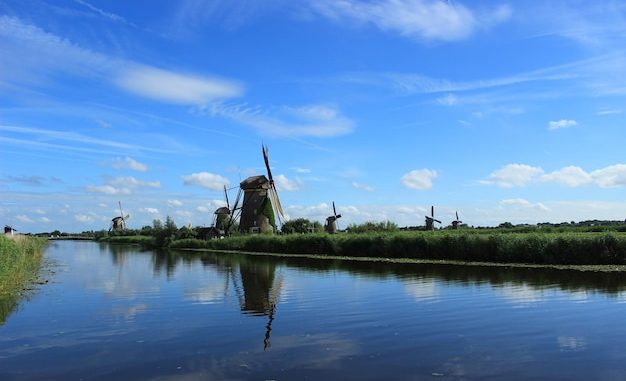
The Windmills of Kinderdijk: A Testament to Dutch Innovation
Standing tall against the Dutch skyline, the windmills of Kinderdijk represent centuries of brilliant engineering and human determination. These nineteenth-century structures continue to captivate visitors from across the globe, serving as a powerful reminder of the Netherlands’ remarkable relationship with water management. UNESCO recognised their significance in 1997, marking them as a testament to human ingenuity and preservation.
Heritage Carved in Wood and Stone
My grandmother’s tales painted vivid pictures of our Dutch ancestors, who lived near these mighty windmills. Through her stories, I learned how these mechanisms played a crucial role in keeping the lowlands dry and habitable. Each windmill tells a story of dedicated millers who, generation after generation, maintained these wooden giants that protected their communities from flooding.
The Great Migration: From Netherlands to New Shores
During the 1800s, numerous Dutch families, including my own, made the bold choice to cross the Atlantic. They carried with them not just their belongings, but centuries of cultural wisdom. The wooden shoes, carefully packed away, and the worn prayer books spoke of lives left behind. These brave souls faced treacherous seas and uncertain futures, armed with nothing but hope and determination.
Symbols of Strength and Adaptability
The windmills themselves became powerful symbols of Dutch resilience. Much like the sturdy blades that turn against fierce winds, our ancestors adapted to new environments while maintaining their cultural identity. These structures demonstrate how communities can harness natural forces to their advantage, much as immigrants must adapt to new circumstances while retaining their core values.
Keeping Traditions Alive
Each generation takes on the responsibility of preserving our Dutch heritage. From traditional recipes for stroopwafels to the annual cleaning rituals that mirror those of the old country, these practices create bridges between past and present. Children learn about their roots through stories, photographs, and family heirlooms, ensuring our connection to the Netherlands remains strong.
Understanding the Choice to Leave
Economic hardship and the promise of religious freedom drove many Dutch citizens to seek opportunities abroad. These decisions shaped not only individual families but entire communities. The skills and values they brought enriched their adopted countries, contributing to agriculture, engineering, and social development.
Capturing History Through Words
The sound of creaking wood, the whoosh of turning blades, and the scent of fresh-cut grass near the windmills create lasting impressions. These sensory experiences connect us to our ancestors who lived among these engineering marvels. The rhythm of daily life around the windmills mirrors the steady beat of traditional Dutch folk songs, creating a symphony of cultural memory.
Memories Across Generations
Modern Dutch descendants often feel a profound connection to these historical sites. Walking the same paths our forebears walked, touching the same wooden beams they touched, creates powerful emotional responses. These experiences help us understand our place within the larger tapestry of Dutch history.
Preserving Heritage for Tomorrow
Current conservation efforts ensure these monuments remain standing for future generations. Local organisations work tirelessly to maintain the windmills’ mechanical systems while educating visitors about their historical importance. Each year, thousands of tourists discover the significance of these structures, keeping Dutch cultural heritage alive on the world stage.
A Living Bridge Between Cultures
The windmills of Kinderdijk continue to stand as proud reminders of Dutch achievement and innovation. For descendants of Dutch immigrants, they represent both the homeland left behind and the courage required to build new lives abroad. These magnificent structures remind us that cultural heritage, like the windmills themselves, can withstand the tests of time and change while maintaining its essential character.
Through careful preservation and continued appreciation, the windmills of Kinderdijk remain more than mere tourist attractions. They stand as lasting monuments to human perseverance, technological innovation, and the enduring spirit of the Dutch people. As new generations discover these remarkable structures, they ensure that the legacy of Dutch ingenuity and determination continues to inspire people worldwide.


