
Estimated reading time: 6 minutes
Key Takeaways
- Adopting a pet provides a fulfilling sense of purpose and companionship.
- Proper home preparation and early planning reduce stress during the transition.
- Consistent routines, patient training, and regular vet check-ups keep pets healthy.
- Building a bond through playtime, exercise, and gentle interactions nurtures trust.
- Rescue adoption not only saves a life but enriches your own in immeasurable ways.
Table of contents
Preparing for a New Pet Home
Welcoming a new pet begins with thoughtful New pet home preparation. Gather essential supplies such as bedding, food and water bowls, and a cosy resting spot. Remove hazards like loose wires or toxic plants, and create secure areas where your pet can decompress. Establish a feeding routine by following pet feeding guidelines for optimal nutrition. A tranquil environment sets the stage for a smooth transition and gives your furry friend the confidence to explore their new home.
Adopting a Rescue Pet
Considering adopting a rescue pet is a compassionate decision. You’ll make a meaningful impact by giving an animal a second chance at happiness. Rescue organisations also excel at matching you with a pet that aligns with your lifestyle. The process typically involves an application, time spent getting to know the pet, and guidance from shelter staff. If you’ve ever wished to make a positive difference in an animal’s life—and your own—rescue adoption is a beautiful path toward that goal.
Managing the Pet Transition Period
Transitioning to a new home can be stressful for any pet. According to pet transition advice, it’s best to let them explore slowly. Maintain a steady schedule for meals, walks, and play, providing reassurance through gentle words and calm body language. While some pets adjust within days, others take longer. Patience, consistency, and sensitivity to your new friend’s needs will help them feel safe and at ease.
Building a Strong Pet Bond
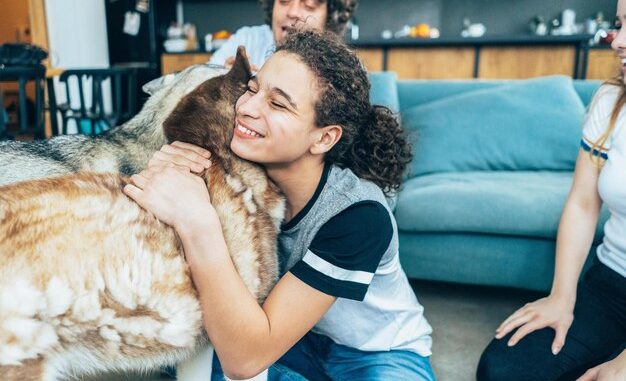
A meaningful pet bond often stems from shared experiences. Regular training sessions and play create mental stimulation and reinforce positive behaviors. Try short bursts of interactive play to sharpen their mind and deepen mutual trust. Gentle grooming or relaxed cuddle sessions can further strengthen this new relationship. A well-established bond not only boosts your pet’s emotional health but also provides you with an uplifting companion who helps melt away daily stress.
Pet Training and Exercise
Training and exercise form the cornerstone of healthy pet development. Prioritise reward-based methods that encourage good behavior rather than punish missteps. Begin with clear, simple commands—sit, stay, come—and build from there. Daily walks or indoor play sessions release pent-up energy and maintain your pet’s fitness. If you’re a senior citizen or have limited mobility, adapting low-impact routines can still keep both you and your pet active and engaged.
Ensuring Pet Safety and Grooming
Pet-proofing goes beyond the initial home setup—regularly scan your environment for potential hazards, from open windows to hidden chemicals. Keep your yard secure to prevent escapes, especially if you’re in a busy neighborhood. Grooming tasks like brushing, nail trimming, and baths should be scheduled frequently to ward off health issues. Consistent grooming also serves as a gentle bonding opportunity, letting you detect any physical changes or concerns early.
Pet Nutrition and Health Care
Good health begins with a balanced diet tailored to your pet’s age, breed, and activity level. Consulting a veterinarian ensures you provide the right nutrients for growth and maintenance. Keep current with vaccinations and preventative care to protect against common illnesses. Routine exams allow your vet to spot early signs of health problems, potentially saving both money and heartache in the long run.
Introducing Pets to the Household
Introducing a new pet to existing family members—or other pets—should be a calm, step-by-step process. Begin with short, supervised meetings and keep them positive. Offer rewards for polite behavior, gradually increasing the time spent together. Provide separate spaces when you’re not home to prevent conflicts. With patience, love, and a few peaceful coexistence strategies, your household can become a harmonious, multi-pet haven.
Conclusion
Embracing a new pet isn’t just about giving an animal shelter—it’s about forging a profound, lasting connection. From the moment you prepare your home to the days you spend training and bonding, each step builds a foundation of trust and loyalty. The journey of adoption is filled with small victories and heartwarming moments that enrich both your life and that of your pet. Whether you’re adopting from a local shelter or rehoming a friend’s pet, the experience can be transformative.
Ready to open your heart and home? By following these essential tips on adoption, routine care, and thoughtful training, you’ll be well on your way to creating a safe, loving haven for your new companion. The rewards—friendship, comfort, and unconditional love—are truly priceless.

FAQs
How do I know if I’m ready to adopt a pet?
Assess your financial stability, schedule, and living environment. If you can commit to feeding, grooming, vet visits, and daily affection, you’re likely prepared for the joys and responsibilities of pet ownership.
What if I have children at home?
Introduce pets and children gradually. Teach kids how to interact gently, and always supervise early interactions. Many rescue shelters can recommend pets known to do well with younger family members.
Is it better to adopt from a shelter or buy from a breeder?
Both choices have merits, but shelter adoption rescues an animal that may otherwise face an uncertain future. Breeders can be an option if you’re seeking specific breeds and health backgrounds. Always research and choose reputable sources.
How long does the adjustment period usually last?
It varies widely. Some pets adapt within days, while others need a few weeks to feel truly at home. Offering a calm, structured environment helps shorten this transition phase.
What if my newly adopted pet seems anxious?
Anxiety in new surroundings is normal. Provide a safe space, stick to a soothing routine, and consider consulting a vet or trainer if the behavior persists.
