
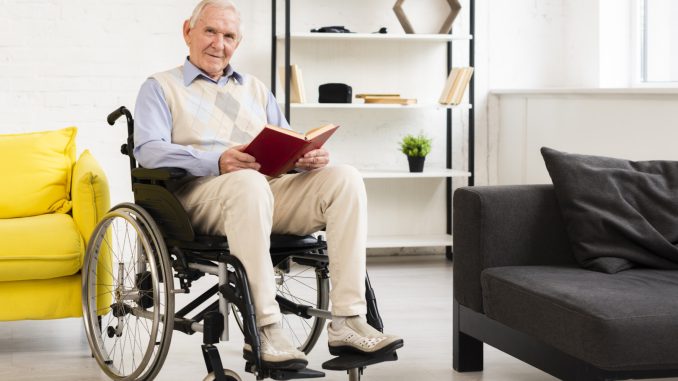
Disabled seniors confront unique obstacles, making awareness of their rights crucial. These challenges include limited access to specialized healthcare services and elder care, difficulty in navigating social security systems, and finding accessible housing for seniors. Elder abuse and lack of proper legal assistance further exacerbate their situation.
Advocacy is key in safeguarding the rights of disabled seniors. This involves ensuring access to essential services like healthcare, elder law expertise, and financial aid. Support groups play a vital role in this, providing a platform for sharing experiences and resources.
Understanding elder law is fundamental for protecting the rights of disabled seniors. Legal assistance can guide seniors and their families through the complexities of elder care legal rights, including issues related to nursing homes and senior homes.
Healthcare services tailored for the disabled elderly are paramount. Aging disability services should encompass comprehensive care plans that respect the dignity and rights of each individual. Disability access in healthcare settings is not just a necessity but a right.
Navigating Social Security and securing financial aid is critical for disabled seniors. Knowledge about senior disability rights related to social security benefits can greatly impact their quality of life.
Understanding Disability Rights and Elder Law
The rights of disabled seniors form a crucial aspect of elder law, ensuring dignity and fairness in their lives. Legal assistance is vital in safeguarding these rights, especially in areas like healthcare services, social security, and financial aid. Elder law plays a pivotal role in protecting seniors against elder abuse and guaranteeing their rights in nursing homes. This legal framework encompasses various aspects, including disability rights and advocacy for senior citizens, ensuring they receive the support and care they deserve.
Accessible Housing: A Cornerstone of Elderly Disability Rights
Accessible housing for seniors is a fundamental right for disabled senior citizens, allowing them to live independently and safely. This aspect of housing for the disabled integrates essential features like wheelchair accessibility and user-friendly designs, contributing to a higher quality of life. Elder care and disability access in housing are essential to meet the daily needs of these individuals, ensuring their environment is both safe and empowering.
Elder Care and Disability Rights
Elder care, intertwined with disability rights, focuses on providing comprehensive care to seniors with disabilities. This includes healthcare services tailored to their specific needs, encompassing both physical and mental health aspects. Support groups and elder care assistants play a significant role in offering emotional and practical support, enhancing the overall well-being of disabled seniors.
Social Security and Financial Aid for Disabled Seniors
Social security benefits are a lifeline for many disabled senior citizens, offering essential financial support. Additionally, various programs provide financial aid and senior disability aid, helping to cover medical expenses, housing costs, and other necessary services. Seniors and their families need to be aware of the available senior disability resources and how to access them.
Advocacy and Support in Elder Care
Advocacy is critical in elder care, ensuring that the rights of disabled seniors are upheld and their voices heard. This includes legal support in cases of elder abuse, ensuring that seniors are protected in all environments, including nursing homes. Advocacy for disabled senior citizens also involves fighting for better healthcare services and access to necessary resources.
Transportation Services and Accessibility for Disabled Seniors
Ensuring that disabled seniors have access to transportation services is essential for their independence and quality of life. This includes disability-friendly transport options that cater to their specific needs, enabling them to attend medical appointments, social events, and other activities.
Healthcare and Home Care Rights
The healthcare rights of disabled seniors are paramount, ensuring they receive necessary medical attention without discrimination. It’s essential to understand how elder care laws and disability rights intersect to provide comprehensive healthcare services. This includes access to specialist care, regular health check-ups, and emergency services, ensuring that senior citizens, regardless of disability, maintain optimal health.
Home Care Rights: A Cornerstone for Disabled Seniors
Home care rights play a critical role in the lives of disabled elderly individuals. It’s not just about healthcare services but also about living with dignity in a safe, comfortable environment. ‘Accessible housing for seniors’ is a crucial aspect, ensuring homes are adapted to meet the needs of those with disabilities, from ramps and stairlifts to emergency response systems.
Disability Support Groups: A Vital Resource
Disability support groups for seniors offer more than just emotional and social support; they provide practical advice on navigating elder law, disability access, and advocacy. These groups can be a lifeline, offering guidance on everything from financial aid to understanding elder abuse and how to seek legal assistance when rights are violated.
Navigating Legal Assistance and Elder Law
Understanding elder law is crucial for protecting the rights of disabled seniors. This encompasses areas like Social Security benefits, housing rights, and elder abuse protection. Legal assistance can guide disabled seniors and their families through the complexities of elder law, ensuring they receive the benefits and protections they are entitled to.
Financial Aid and Social Security: Ensuring Stability
Financial stability is a significant concern for disabled seniors. Social security benefits, financial aid, and other resources like disability-friendly senior homes and nursing homes can provide much-needed financial relief. It’s essential to be aware of the various options available and how to access them.
Housing and Accessibility: A Fundamental Right
Housing for disabled seniors should not only be affordable but also adequately equipped to meet their needs. This includes disability access in senior housing, from wheelchair-friendly layouts to alarm systems. Ensuring that disabled seniors live in a safe, accessible environment is a critical aspect of their rights.
Elder Abuse Protection: A Necessary Safeguard
Elder abuse is an unfortunate reality that must be addressed. Disabled seniors are particularly vulnerable, and it’s crucial to have measures in place for their protection. This involves understanding the signs of abuse and knowing how to seek help, ensuring that elder abuse protection is a priority.
Advocacy and Support: Amplifying Senior Voices
Advocacy for disabled senior citizens is about ensuring their voices are heard and their rights upheld. This includes support in navigating elder care assistance, disability care for the elderly, and senior disability resources. Advocates play a crucial role in bridging the gap between seniors and the services they need.
Transportation and Mobility: Key to Independence
Mobility is a significant aspect of independence for disabled seniors. Transportation services for disabled seniors are vital, enabling them to attend medical appointments, social gatherings, and more. This service is a crucial part of supporting their independence and quality of life.
Housing and Disability Access
The rights of disabled seniors are paramount in ensuring dignity and quality of life. This group is entitled to the same freedoms and privileges as any individual, with added legal protections due to their disability and age. Key areas include elder care legal rights, senior disability rights, and elder disability law, all of which safeguard their well-being and autonomy.
Accessible Housing for Seniors
A crucial aspect of elder care is providing accessible housing for seniors. This ensures that living spaces are adapted to meet the physical needs of elderly individuals with disabilities. Features such as wheelchair ramps, grab bars in bathrooms, and lower kitchen countertops are standard in disability-friendly senior homes.
Disability Rights in Elder Care
Eldercare rights extend to healthcare services, with seniors having access to necessary medical treatments and support. This encompasses aging disability services and disability care for the elderly, ensuring a holistic approach to their health needs.
Legal Assistance and Elder Law
Legal assistance is vital for protecting the rights of disabled seniors. Elder law specialists offer guidance on issues like elder abuse protection, senior legal rights, and navigating Social Security and financial aid systems.
Financial Aid and Social Security for Disabled Seniors
Understanding and accessing financial aid is critical for disabled seniors. This includes navigating Social Security benefits, seeking elder disability support, and applying for financial assistance for elderly disabled individuals.
Housing and Disability Access
Housing for disabled seniors should prioritize disability access. This includes features in senior homes that accommodate physical limitations, ensuring a safe and comfortable living environment.
Advocacy and Support Groups
Senior rights advocacy and disability support groups play a crucial role in upholding the rights of elderly disabled individuals. These groups provide a platform for elder disability support and elder care assistance, fostering a community of care and support.
Healthcare Services for Disabled Seniors
Access to healthcare services is a fundamental right for disabled seniors. This includes specialized services like senior disability aid, elder care legal aid, and disability rights for ageing individuals, ensuring comprehensive care.
Elder Abuse and Protection
Elder abuse protection is a critical aspect of elder law, focusing on safeguarding seniors from physical, emotional, and financial abuse. This includes legal support and advocacy for disabled senior citizens.
Financial Assistance and Social Security
Disabled seniors are entitled to a range of Social Security benefits, ensuring a degree of financial stability. These benefits cater to various needs, from basic sustenance to healthcare services. Seniors and their caregivers must comprehend these benefits to maximize their utility. Senior citizens, especially those with disabilities, should be aware of their eligibility for enhanced benefits under Social Security, which can significantly impact their quality of life.
Financial Aid and Its Impact on Quality of Life
Financial aid for elderly disabled persons goes beyond mere monetary assistance; it encompasses services that improve their overall well-being. This includes accessible housing for seniors, healthcare services, and legal assistance. Financial aid can dramatically improve the quality of life for disabled seniors, providing them with the necessary resources to live comfortably and with dignity. Elder law and disability access play pivotal roles in ensuring these rights are upheld.
Elder Care and Disability Rights
Elder care involves a spectrum of services tailored to meet the needs of aging individuals. For disabled seniors, this includes specialized care that addresses their unique challenges. Understanding elder care legal rights is essential for protecting the interests of disabled seniors. Disability rights for aging individuals cover a range of services, from elder care assistance to senior disability aid, ensuring that their rights are always safeguarded.
Housing for Disabled: Ensuring Comfort and Accessibility
Finding suitable housing is a major concern for disabled seniors. Housing for the disabled should not only be affordable but also equipped to cater to their specific needs. Disability-friendly senior homes and disability access in senior housing are critical factors that contribute to the overall well-being of elderly disabled individuals. These facilities should provide a safe, comfortable environment that respects the rights of disabled seniors.
Advocacy and Support for Disabled Seniors
Advocacy plays a key role in upholding the rights of disabled seniors. This includes everything from elder abuse protection to disability support groups for seniors. Advocacy ensures that the voices of disabled seniors are heard and their rights are respected, be it in nursing homes or within the wider community. Support groups offer a platform for sharing experiences and resources, fostering a sense of community and mutual assistance.
Legal Assistance and Elder Law
Navigating the legal landscape can be challenging for disabled seniors. Legal assistance tailored to their needs is crucial. Elder law specialists can guide a variety of issues, from senior legal rights to disability care for the elderly. Elder legal support ensures that the rights of the elderly disabled are always protected, and they receive the justice and respect they deserve.
Transportation Services and Mobility Rights
For disabled seniors, transportation services are not just a convenience, they are a lifeline to independence. The right to mobility is fundamental, yet often overlooked when discussing the ‘Rights of disabled seniors.’ Without reliable transportation, access to essential healthcare services, social engagement, and even basic needs like shopping can become challenging.
- Elder Care and Transportation: Eldercare must integrate transportation solutions. This ensures that seniors have access to healthcare services and social security appointments, vital for their well-being.
- Disability Rights and Accessibility: Disability rights mandate accessible transportation. This includes not only public transport but also specialized services tailored for disabled seniors.
Housing and Mobility: A Symbiotic Relationship
- Accessible Housing for Seniors: Secure, accessible housing for seniors is pivotal. It should be in proximity to necessary services and have easy access to transportation, ensuring a high quality of life.
- Housing for Disabled and Transportation Access: A crucial aspect of elder law and elder abuse prevention is ensuring that senior homes and nursing homes are well-connected by transportation networks.
Legal Assistance and Advocacy: Protecting the Mobility Rights
- Elder Law and Transportation: Elder law should address transportation rights, ensuring disabled seniors have equal opportunities to participate in society.
- Advocacy and Support Groups: Advocacy groups play a crucial role in highlighting the need for improved transportation services, aligning with elder disability law and elder care legal rights.
Financial Considerations for Transportation Services
- Social Security and Transportation: Social security benefits for disabled seniors should consider the costs of transportation, especially for those in elder homes or nursing homes.
- Financial Aid for Accessible Transportation: There is a growing need for financial aid and disability care for the elderly, focusing on providing affordable and accessible transportation options.
Ensuring Access and Avoiding Discrimination
- Disability Access in Transportation: Disability access in transportation is not just about physical modifications; it’s about ensuring that disabled senior living rights are respected.
- Elder Abuse Prevention Through Transportation: Transportation services can also play a role in elder abuse prevention, by providing disabled seniors with the means to seek help and attend support groups.
The Impact of Transportation on Healthcare and Social Engagement
- Healthcare Services Accessibility: Disabled seniors’ access to healthcare is directly linked to the availability of appropriate transportation services.
- Supporting Social Engagement: Providing transportation services for disabled seniors is crucial for maintaining their social connections, which is essential for mental health and well-being.
Conclusion
The rights of disabled seniors encompass a broad spectrum of entitlements and protections under elder law, disability access, and elder care. These rights ensure that senior citizens with disabilities receive fair treatment, adequate healthcare services, and necessary legal assistance. It is crucial to understand and advocate for these rights to promote equality and dignity in their lives.
A key aspect of empowering disabled seniors is providing accessible housing for seniors. This includes disability-friendly senior homes and adjustments in elder housing to accommodate mobility and healthcare needs. Accessible housing is not just about physical modifications; it’s about ensuring dignity and independence for every senior citizen.
Healthcare services tailored to the needs of disabled seniors, coupled with financial aid options like Social Security and disability benefits, form the backbone of supporting this demographic. These services must be easily accessible and tailored to the unique needs of elderly disabled individuals.
Elder law plays a pivotal role in safeguarding the rights of disabled seniors. This includes legal aid in understanding and claiming disability rights and protection against elder abuse. Senior citizens must have access to information and support in navigating elder disability law and elder care legal rights.
Advocacy for disabled senior citizens is not just about raising awareness; it’s about creating a supportive community. This includes support groups, nursing homes, and organizations dedicated to elder care assistance and elder rights protection. Active involvement in advocacy helps in strengthening the community support system for disabled seniors.
Ensuring disability access in various aspects of life, such as transportation services for disabled seniors, is essential. It not only facilitates mobility but also enhances their ability to participate actively in community life.
FAQs
What legal rights do disabled seniors have?
Disabled seniors have several legal rights, including protection from discrimination under the Americans with Disabilities Act (ADA) and the Age Discrimination in Employment Act. They are entitled to reasonable accommodations in public spaces, workplaces, and housing. They also have the right to access healthcare and social services, and are protected under laws such as the Older Americans Act, which provides services and support for older individuals.
How can disabled seniors access healthcare services?
Disabled seniors can access healthcare services through Medicare, Medicaid, and the Affordable Care Act (ACA) insurance exchanges. They may also be eligible for additional services through state health programs. Community health centers, senior centers, and home health services are also key resources. For those with specific needs, there are specialized programs such as PACE (Program of All-Inclusive Care for the Elderly).
What financial aid options are available for disabled seniors?
Financial aid options for disabled seniors include Social Security Disability Insurance (SSDI), Supplemental Security Income (SSI), and Medicaid, which can help with medical expenses. Other resources include state and local programs, as well as non-profit organizations that provide financial assistance for specific needs like housing, utilities, or medical equipment.
How does elder law protect disabled elderly citizens?
Elder law protects disabled elderly citizens by addressing legal issues pertinent to them, such as guardianship, long-term care planning, healthcare directives, and elder abuse. It ensures their rights are protected in areas like healthcare decision-making, estate planning, and access to public benefits. Elder law attorneys specialize in these areas to advocate for the rights and needs of the elderly.
What housing rights do disabled seniors have?
Disabled seniors have housing rights protected under the Fair Housing Act, which prohibits discrimination based on disability. This includes the right to reasonable accommodations in housing facilities. Additionally, the Department of Housing and Urban Development (HUD) provides housing assistance through programs like Section 202 Supportive Housing for the Elderly.
How can disabled seniors get transportation assistance?
Disabled seniors can get transportation assistance through programs like the Elderly and Persons with Disabilities Transportation Program, paratransit services under the ADA, and community-based services like senior shuttles. Local public transportation systems often provide reduced fares or special services for disabled individuals. Additionally, non-profit organizations and community groups may offer transportation assistance.
Are there social security benefits specific to disabled seniors?
Yes, disabled seniors may be eligible for Social Security Disability Insurance (SSDI) if they have a disability that prevents them from working and they have paid into Social Security. Additionally, they may qualify for Supplemental Security Income (SSI) based on disability and financial need.
How to prevent elder abuse for disabled seniors?
To prevent elder abuse for disabled seniors, it’s important to educate caregivers and the public about the signs of abuse, encourage regular contact with the elderly, utilize caregiver support resources, and report suspicions of abuse to authorities. Legal mechanisms like guardianships or protective orders can also be employed. Organizations focused on elder rights and protection play a critical role in prevention and intervention.
What are the best support groups for disabled elderly?
The best support groups for disabled elderly often include local community groups, online forums, and organizations specialized in aging or specific disabilities. Groups like the AARP, National Council on Aging, and various disease-specific organizations offer resources, community connections, and support for disabled seniors.
How to advocate for the rights of disabled senior citizens?
To advocate for the rights of disabled senior citizens, one can engage in community outreach, educate others about the issues faced by disabled seniors, participate in local and national advocacy groups, and work with legislators to promote policies that protect and support the elderly. Volunteering with organizations that serve disabled seniors and raising awareness through social media or public speaking are also effective ways to advocate for their rights.


