

Mobility challenges in old age significantly impact seniors’ independence and quality of life. Addressing these concerns is crucial for maintaining autonomy and ensuring a high standard of living. This guide aims to offer comprehensive solutions and resources, focusing on elderly mobility aids, physical therapy, fall prevention, and exercise, among other areas.
One vital aspect of overcoming mobility challenges is ensuring seniors live in environments that support their needs. Accessible housing for seniors incorporates modifications that enhance safety and mobility, such as grab bars, no-step entries, and walk-in showers.
A variety of mobility aids and assistive devices are available to support the elderly in their daily activities, ensuring safety and independence. Products range from walkers and canes to more advanced equipment like motorized scooters, tailored to individual needs.
Regular exercise and tailored physical therapy play a pivotal role in managing age-related mobility loss. Programs focusing on strength, flexibility, and balance can significantly improve mobility and reduce the risk of falls. Implementing effective fall prevention measures is essential for safeguarding seniors against injuries. This includes home modifications, wearing appropriate footwear, and educating on safe practices within the home.
Numerous community resources and online guides offer valuable information on improving senior mobility. These platforms provide access to exercises, mobility aids, and strategies for enhancing daily living.
Understanding Mobility Challenges in Old Age
Arthritis is a prevalent condition among the elderly, leading to significant mobility challenges in old age. The joint pain and stiffness associated with arthritis can severely limit daily activities, making tasks such as walking, climbing stairs, and even holding objects difficult. Mobility aids, such as canes and walkers, alongside regular physical therapy, play a crucial role in managing arthritis symptoms, thereby enhancing senior mobility.
Balance Disorders: A Threat to Independence
Balance disorders are common in the elderly, increasing the risk of falls and injuries. These disorders often result from a combination of factors, including vision impairment, inner ear problems, and muscle weakness. Incorporating exercise routines focused on strength and balance, such as elderly balance exercises, can mitigate these risks. Assistive devices tailored for seniors, like grab bars and non-slip mats, are essential in creating safe living environments, promoting independence and fall prevention in old age.
The Role of Assistive Devices and Accessible Housing
Assistive devices for seniors, ranging from simple tools like reacher grabbers to more complex equipment like stairlifts, significantly improve daily life for those facing mobility challenges in old age. Accessible housing for seniors, designed with features like walk-in showers and wheelchair-accessible spaces, further supports the independence and safety of the elderly. These adaptations are crucial in maintaining a high quality of life and mental well-being.
Exercise: A Key to Preserving Mobility
Regular exercise is vital for aging adults, offering benefits such as improved strength, flexibility, and balance. Tailored exercise programs, including exercises to improve elderly mobility, contribute to fall prevention and enhance overall physical health. Community resources and online guides for elderly mobility improvement provide valuable support for seniors looking to maintain an active lifestyle.
Physical Therapy: Enhancing Mobility Through Rehabilitation
Physical therapy for the elderly is a cornerstone in overcoming mobility challenges, offering personalized routines that focus on specific needs such as strength building, balance improvement, and joint flexibility. Mobility rehabilitation through physical therapy not only aids in recovery from injuries but also plays a preventative role in maintaining mobility and independence in old age.
The Importance of Senior Care and Support Systems
Senior care, encompassing services from home care assistance to senior living communities, is pivotal in addressing mobility challenges in old age. These services ensure that the elderly receive the necessary support, from daily assistance to specialized rehabilitation, promoting independence and a better quality of life. Additionally, senior mobility assessments conducted by professionals can guide the selection of mobility aids and adaptations, ensuring they meet the individual’s specific needs.
Affordable Mobility Aids for Seniors
In addressing mobility challenges in old age, it’s crucial to consider the array of assistive devices that can offer significant support. Canes and walkers stand out as cost-effective mobility aids, providing stability and independence for seniors navigating their daily lives. These aids are not only affordable but also widely available, making them accessible to a broader range of individuals in need.
Selecting the Right Mobility Aid
Choosing the right mobility aid is a personalized process, influenced by individual needs and the specific mobility challenges in old age each senior faces. Factors such as the level of support needed, the type of terrain the senior navigates regularly, and the ease of use should all be considered. Consulting with healthcare professionals, such as those specializing in physical therapy for the elderly, can provide valuable insights into the most suitable options.
Integrating Mobility Aids with Accessible Housing
Accessible housing for seniors plays a pivotal role in enhancing mobility and ensuring safety. Incorporating mobility aids into an environment designed with accessibility in mind can drastically reduce the risk of falls and other accidents. Simple modifications, such as removing tripping hazards and installing grab bars, can make a significant difference in promoting independence and fall prevention in old age.
Importance of Exercise and Physical Therapy
Engaging in exercise tailored for aging adults is vital in managing mobility challenges in old age. Physical therapy for the elderly, focusing on strength, balance, and flexibility, can aid in improving overall mobility and reducing the risk of falls. Exercise routines designed for seniors, including balance exercises and mobility-enhancing strategies, contribute to a higher quality of life and prolonged independence.
Leveraging Community Resources and Senior Care
Exploring community resources dedicated to senior mobility can offer additional support and information for those navigating mobility challenges in old age. From senior centers offering physical therapy sessions to online guides for elderly mobility improvement, these resources can be invaluable. Furthermore, professional senior care services can provide personalized assistance, ranging from daily mobility routines to more comprehensive rehabilitation efforts.
Emphasizing Fall Prevention and Safety
Fall prevention is a critical aspect of managing mobility challenges in old age. Ensuring that homes are equipped with necessary safety measures, such as non-slip mats and adequate lighting, is essential. Additionally, the use of assistive devices should be coupled with regular assessments to adapt to changing mobility needs, safeguarding seniors’ well-being and independence.
Exercises to Improve Elderly Mobility
Mobility challenges in old age are significant, often leading to decreased independence and quality of life. Simple, safe exercises tailored for seniors can significantly enhance flexibility and strength, thereby improving mobility. Incorporating routine physical activities into daily life is crucial for preventing muscle atrophy and enhancing mobility.
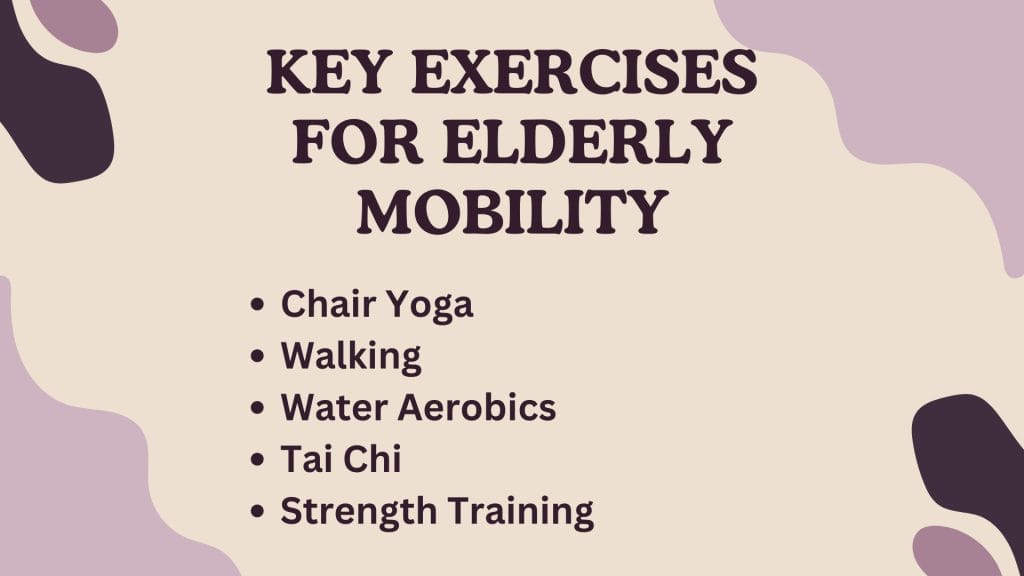
Key Exercises for Elderly Mobility
- Chair Yoga: Ideal for improving flexibility and muscle strength without putting too much strain on the body. Chair yoga poses can include seated mountain pose, cat-cow stretch, and seated forward bend, focusing on gentle stretching and deep breathing.
- Walking: The simplest form of exercise, walking, can be significantly effective in maintaining mobility. It’s beneficial for cardiovascular health and can be easily adjusted to fit one’s fitness level.
- Water Aerobics: Water’s buoyancy reduces stress on joints, making water aerobics an excellent exercise for seniors facing mobility challenges in old age. It improves endurance, flexibility, and strength.
- Tai Chi: This gentle form of martial arts is known for its health benefits, including improving balance, flexibility, and strength, crucial for fall prevention in old age.
- Strength Training: Using light weights or resistance bands, strength training exercises such as leg lifts, arm raises, and light squats can help maintain muscle mass and support joint health.
Incorporating Mobility Aids and Assistive Devices
For some seniors, especially those facing significant mobility challenges in old age, exercises alone might not suffice. Mobility aids and assistive devices can play a crucial role in maintaining independence. From walkers and canes to more advanced devices, these aids can be tailored to individual needs, ensuring safer mobility and fall prevention.
Adapting Living Spaces for Senior Safety
Accessible housing for seniors is essential for promoting independence and safety. Simple home modifications can greatly reduce the risk of falls and other injuries. Installing grab bars in bathrooms, ensuring proper lighting, and removing tripping hazards are just a few steps that can make a significant difference in senior mobility and safety.
Physical Therapy and Professional Guidance
Engaging with a physical therapist can provide personalized exercise plans that address specific mobility challenges in old age. Physical therapy for the elderly often includes exercises to improve balance, strength, flexibility, and overall mobility, tailored to individual health conditions and capabilities.
Best Mobility Devices for Aging Adults
Navigating the landscape of Mobility challenges in old age can be daunting for aging adults and their caregivers. The right mobility aids can significantly enhance the quality of life, providing both independence and safety. In this guide, we’ll explore advanced mobility devices tailored for seniors, delving into motorized scooters, stairlifts, and key considerations for choosing the most suitable options.
Motorized Scooters: Empowering Elderly Mobility
Motorized scooters are a popular choice for seniors facing mobility challenges in old age. These devices offer freedom and independence, allowing the elderly to engage in outdoor activities and socialize more freely. When selecting a motorized scooter, consider factors such as battery life, weight capacity, and maneuverability to ensure it aligns with the user’s lifestyle and physical needs.
Stairlifts: Enhancing Accessibility in Homes
Stairlifts are vital in making multi-level homes accessible housing for seniors. They provide a safe and comfortable way to navigate stairs, reducing the risk of falls. Key features to look for include swivel seats for easy entry and exit, fold-up designs to keep stairways unobstructed, and remote controls for convenience.
Safety Features: A Top Priority
Safety is paramount when it comes to mobility aids for the elderly. Look for devices equipped with anti-tip wheels, brakes, and adjustable speed settings. These features help prevent accidents and ensure the user feels secure. Additionally, incorporating fall prevention in old age strategies, such as installing grab bars and non-slip mats, can further safeguard seniors at home.
Ease of Use: Ensuring Comfort and Independence
The best mobility devices are intuitive and easy to operate, promoting senior independence. Test the controls and adjustments to ensure they are within easy reach and require minimal effort. Devices that are complex to use can discourage seniors from utilizing them, negating their benefits.
Physical Therapy and Exercise: Supporting Mobility
Incorporating physical therapy for elderly and regular exercise for aging adults into daily routines can significantly improve mobility and strength. Assistive devices for seniors, like resistance bands and balance boards, can be used under the guidance of a healthcare professional to enhance these exercises.
Considerations for a Fulfilling Senior Lifestyle
When addressing mobility challenges in old age, it’s crucial to consider the overall well-being of the senior. Mobility rehabilitation and elderly care for mobility play essential roles in maintaining an active lifestyle. Devices should be chosen not just for their functional benefits but also for how they contribute to the user’s independence and enjoyment of daily activities.
Community and Online Resources
Leveraging community resources for senior mobility and online guides for elderly mobility improvement can provide valuable support and information. These resources often offer tips on enhancing mobility in older age and daily mobility routines for elderly, fostering a supportive network for seniors and caregivers alike.
Preventing Falls in Elderly Homes
Home Modification Tips for Fall Prevention
Removing Tripping Hazards
Ensuring a safe living space for seniors begins with the elimination of tripping hazards. Rugs, loose electrical cords, and clutter can pose significant risks for mobility challenges in old age. Regularly inspecting living areas and maintaining clear pathways is crucial for preventing falls.
Installing Grab Bars and Handrails
Bathrooms and stairs are common fall sites in homes. Installing sturdy grab bars in the shower, beside the toilet, and along staircases can provide the necessary support for individuals facing mobility challenges in old age. These simple modifications contribute to making a home more accessible housing for seniors.
Importance of Regular Vision and Hearing Checks
Vision Checks
Regular vision assessments are vital in fall prevention strategies. Poor vision can significantly contribute to falls by impairing depth perception and the ability to navigate obstacles. Seniors should have their vision checked annually to ensure any vision impairments are adequately managed.
Hearing Checks
Hearing loss can indirectly affect balance and spatial awareness, increasing the risk of falls. Regular hearing evaluations ensure that any hearing impairments are identified and managed, possibly with the help of assistive devices for seniors.
Mobility Aids and Physical Therapy
Choosing the Right Mobility Aids
From walkers to canes, selecting the right mobility aids for the elderly can enhance independence while minimizing fall risks. These aids should be tailored to the individual’s specific needs, considering factors like strength, balance, and the home environment.
Benefits of Physical Therapy
Physical therapy for elderly individuals can play a pivotal role in fall prevention. Tailored exercise programs can improve strength, flexibility, balance, and overall mobility, significantly reducing the risk of falls.
Exercise and Assistive Devices
Exercise for Aging Adults
Regular, gentle exercises can enhance senior mobility improvement by strengthening muscles and joints. Activities such as walking, water aerobics, and tai chi are beneficial for aging adults, helping to maintain flexibility and balance.
Utilizing Assistive Devices
Assistive devices, including automatic night lights, raised toilet seats, and non-slip mats, can make a home safer for seniors. These devices, along with proper mobility aids, support independence and safety within the home.
Aging and Independence
Maintaining independence is a key concern for many seniors. Home modifications, along with the right support from mobility aids and physical therapy, can help seniors live more independently and safely, reducing the risk of falls and related injuries.
Conclusion
Mobility challenges in old age are a crucial concern for the elderly, affecting their independence and quality of life. Addressing these challenges requires a comprehensive approach that includes the use of mobility aids, engagement in physical therapy, and adherence to fall prevention strategies.
One key aspect of improving mobility in old age is ensuring the availability of accessible housing for seniors. Such accommodations are designed to reduce the risk of falls and facilitate the use of assistive devices, thereby promoting senior independence and safety.
Mobility aids and assistive devices play a pivotal role in enhancing the mobility of aging adults. From walkers to wheelchairs, these tools help in overcoming age mobility barriers and preserving mobility in aging.
Physical therapy for the elderly, combined with targeted exercises, is essential for mobility rehabilitation and improvement. These interventions are aimed at strengthening muscles, improving balance, and enhancing overall mobility.
Engaging with community resources and senior care facilities can provide additional support for the elderly facing mobility challenges. These resources offer access to specialized programs, such as mobility training for seniors and elderly care for mobility, which are crucial for maintaining independence.
FAQs
What are common mobility challenges faced by the elderly?
Common mobility challenges faced by the elderly include reduced muscle strength, joint pain due to arthritis, balance issues leading to an increased risk of falls, and chronic conditions like osteoporosis. These issues can make it difficult for seniors to perform daily activities, climb stairs, or walk long distances.
How can physical therapy help improve mobility in old age?
Physical therapy can improve mobility in old age by strengthening muscles, increasing flexibility, improving balance, and reducing pain through targeted exercises and therapies. It can also provide strategies to safely perform daily activities, thereby enhancing overall quality of life and independence.
What types of mobility aids are available for seniors?
Mobility aids for seniors include canes, walkers, rollators, wheelchairs, and scooters. Each aid is designed to assist with different levels of mobility challenges, from providing slight support for balance to offering full assistance for those unable to walk.
How can fall prevention be implemented for elderly individuals?
Fall prevention for elderly individuals can be implemented through regular exercise to improve strength and balance, home modifications to remove tripping hazards, proper footwear, installation of grab bars and handrails, and ensuring adequate lighting in living spaces.
What exercises are recommended to enhance mobility in aging adults?
Exercises recommended for aging adults to enhance mobility include walking, tai chi, yoga, strength training, and balance exercises. These activities help maintain muscle tone, flexibility, and balance, reducing the risk of falls and improving overall mobility.
How can homes be modified to improve senior mobility?
Homes can be modified to improve senior mobility by adding grab bars in bathrooms, stairlifts for multi-story homes, ramps for entryways, non-slip flooring, and wider doorways to accommodate mobility aids. Proper lighting and removal of tripping hazards like loose rugs are also important.
What role does diet play in maintaining mobility in old age?
Diet plays a crucial role in maintaining mobility in old age by providing nutrients necessary for muscle and bone health, such as protein, calcium, and vitamin D. A balanced diet can help manage weight, reduce inflammation, and prevent conditions like osteoporosis, aiding in mobility.
How often should mobility assessments be conducted for the elderly?
Mobility assessments for the elderly should be conducted annually, or more frequently if there are significant health changes or mobility issues. Regular assessments help track changes in mobility, allowing for timely interventions and adjustments to care plans.
What are the psychological impacts of mobility loss on seniors?
The psychological impacts of mobility loss on seniors can include depression, anxiety, decreased self-esteem, and social isolation due to the reduced ability to engage in activities and interact with others. It can significantly affect their quality of life and mental health.
How can technology assist in improving mobility for the elderly?
Technology can assist in improving mobility for the elderly through devices like stairlifts, smart walking aids equipped with sensors, wearable devices for fall detection and monitoring physical activity, and tele-rehabilitation platforms for remote physical therapy sessions.


4 Trackbacks / Pingbacks
Comments are closed.